-
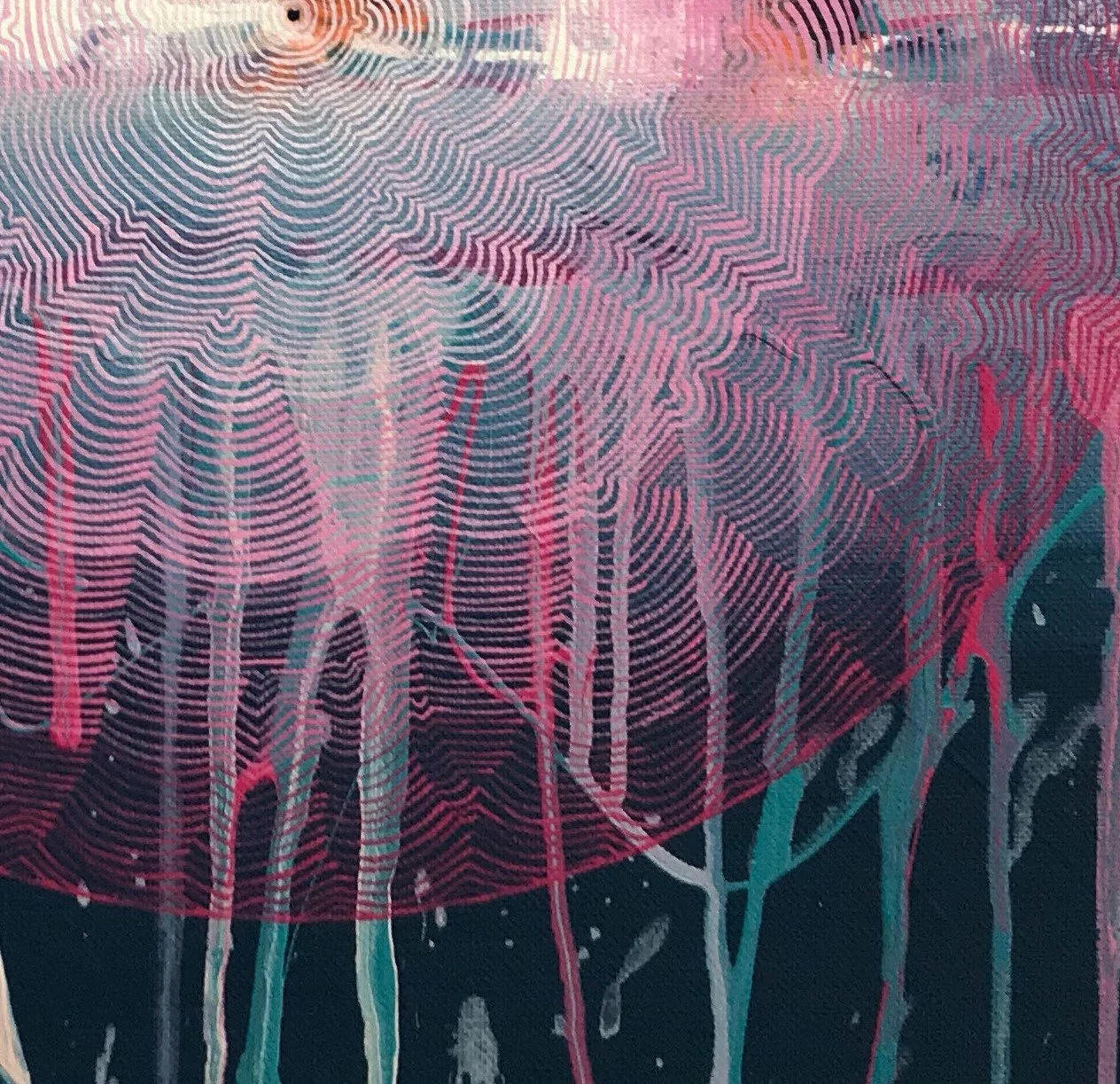
Music can be seen as well as heard, capturing what sound looks like through abstract painting.
There’s a moment when a feeling becomes a colour, and it arrives with a kind of quiet certainty, like something inside me has finally found its shape. It’s subtle at first, almost like a shift in temperature, a soft internal hum, or a vibration that lands somewhere between emotion and instinct. I don’t chase it; I wait for it. When it appears, it’s as if the whole painting reveals its first truth. That moment is why I paint. It’s the bridge between my inner world and the canvas, the instant where something wordless becomes visible. Colour is my language, my way of translating what can’t be spoken but insists on being felt. Every artwork begins with that spark, a sensation turning into hue, a feeling crystallising into pigment. It’s the most honest part of my practice, and the reason I keep returning to the studio, again and again, to listen for the next colour waiting to emerge.
-
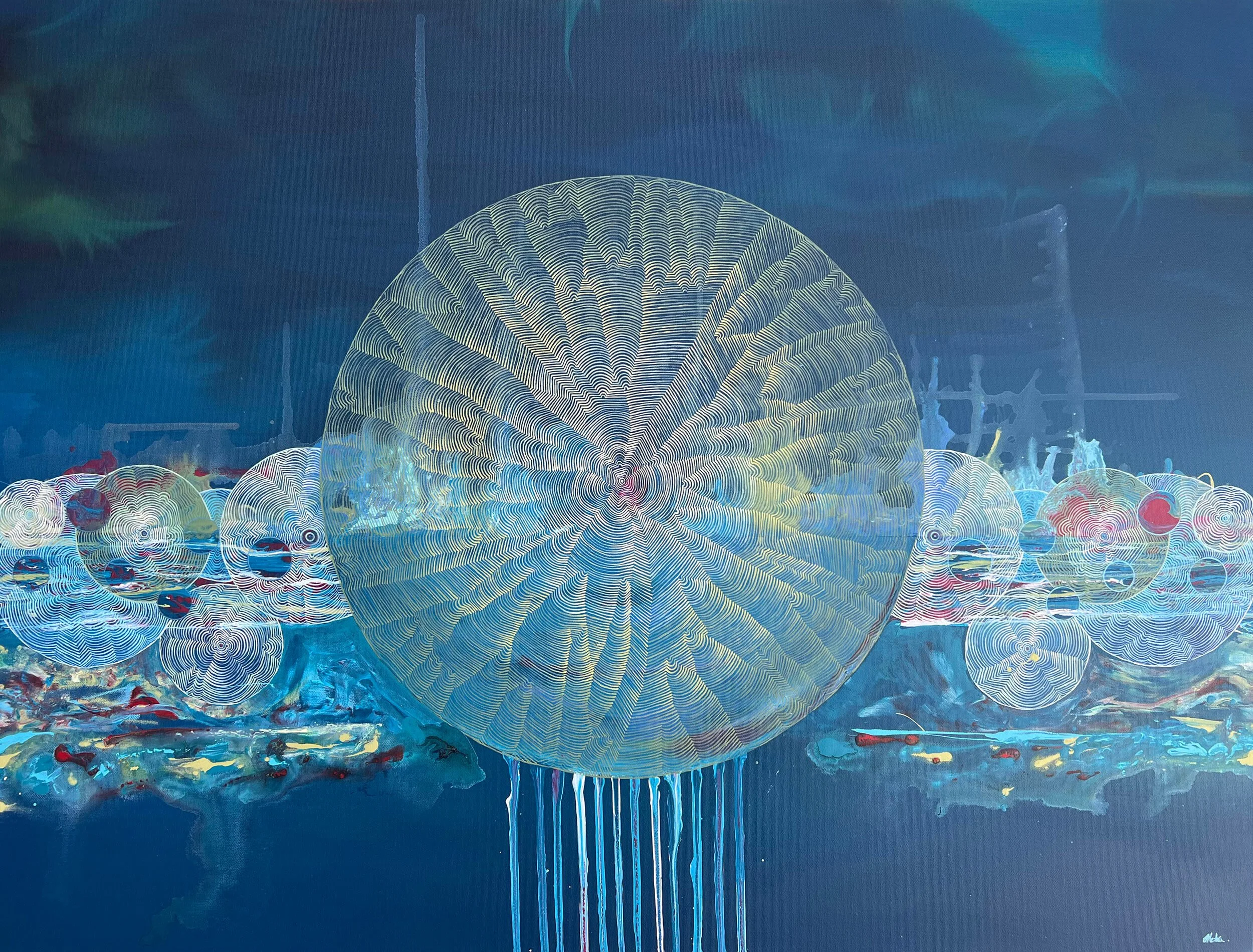
What Synaesthesia Looks Like in My Paintings
Synaesthesia is often described as a blending of the senses, but for me it feels more like a quiet conversation, one sense speaking to another in a language that is fluid, intuitive, and deeply personal. I’m not trying to paint synaesthesia literally. Instead, I’m expressing the way it shapes how I perceive sound, emotion, and memory.
In my work, synaesthesia appears through layered colour fields, shifting forms, and atmospheric textures. These elements reflect the way multiple sensations overlap in my mind. A single sound might arrive as a wash of blue, a flicker of gold, or a soft pulse of pink. These colours don’t feel chosen; they feel revealed, as though they already belong to the sound itself.
Movement is another essential part of this experience. Sound rarely feels still. It expands, contracts, drifts, or vibrates, and those sensations become sweeping gestures, circular forms, or subtle transitions in texture. Rhythm becomes visual rhythm.
Texture plays a quieter role but adds depth to the sensory experience. Some sounds feel smooth and fluid, while others feel rough or fragmented. Through layering, glazing, and fine detail, I try to capture these nuances, the hidden textures beneath the main emotional tone.
Ultimately, synaesthesia in my paintings is a sensory interpretation rather than a direct translation. It’s my way of giving form to the unseen, of mapping the internal landscapes that shape how I move through the world. My hope is that viewers feel invited into that space and connect with the emotional resonance behind the work.
-
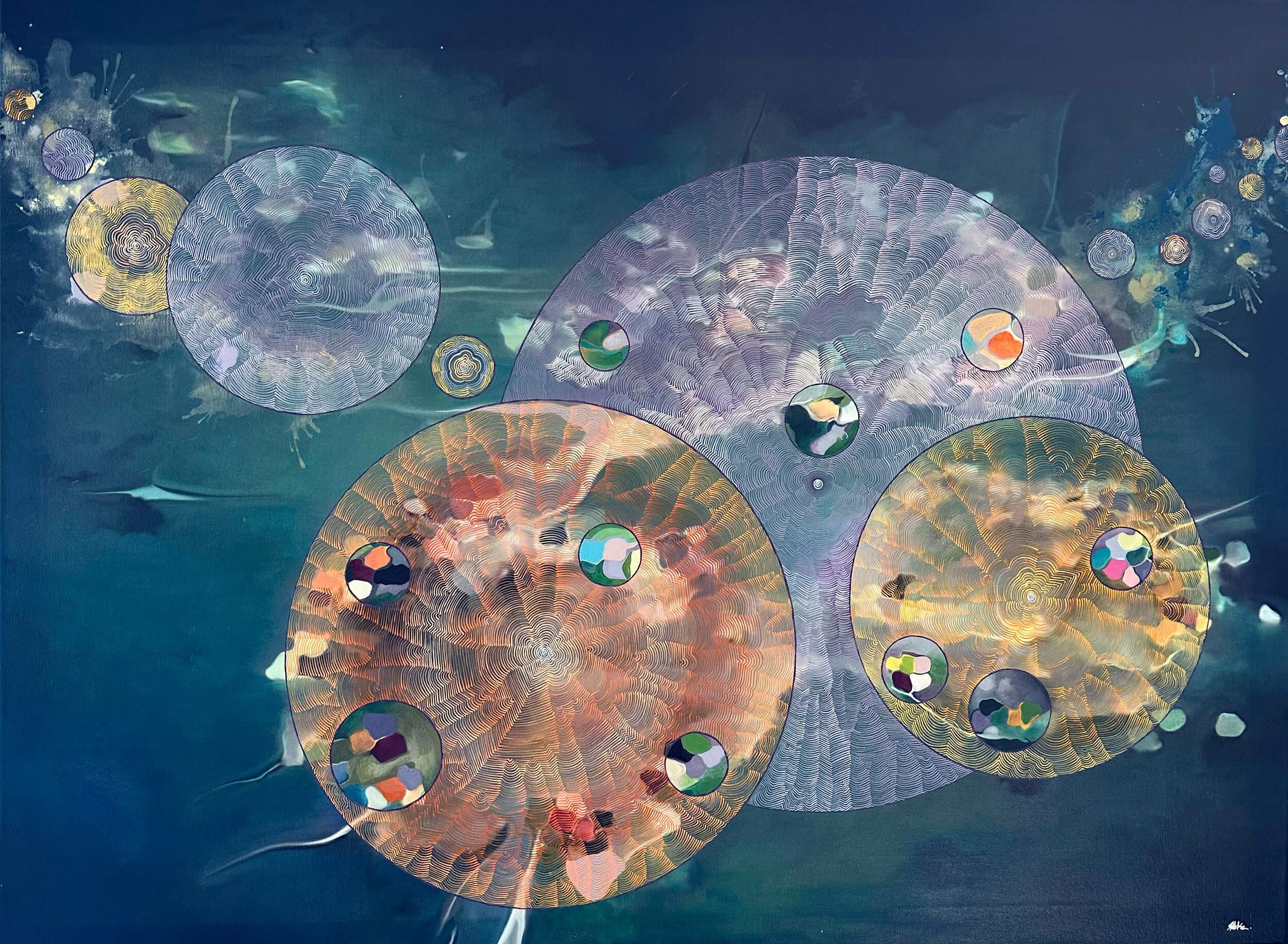
Listening in Colour: My Process of Painting Music
Listening, for me, is a visual experience. Through synaesthesia, I translate music into colour and gesture, building each painting as a response to sound. When a track begins, it doesn’t just arrive as notes, it arrives as shifting hues, pulses of light, shapes and movements that feel almost architectural. A bass line might anchor itself as a deep indigo foundation, while a vocal run lifts into soft peach or purple
As I paint, I’m following these sensory cues, letting the music shape the rhythm of my marks. The canvas becomes a kind of score: layers of colour echoing tempo, texture, and emotional temperature. What emerges is not an illustration of the song, but a visual memory of how it felt in my body and appeared in my visual field, a translation of sound into space, colour, and motion. I add emotive elements to enhance composition and creativity.
This is how I listen. This is how the music becomes visible.
-
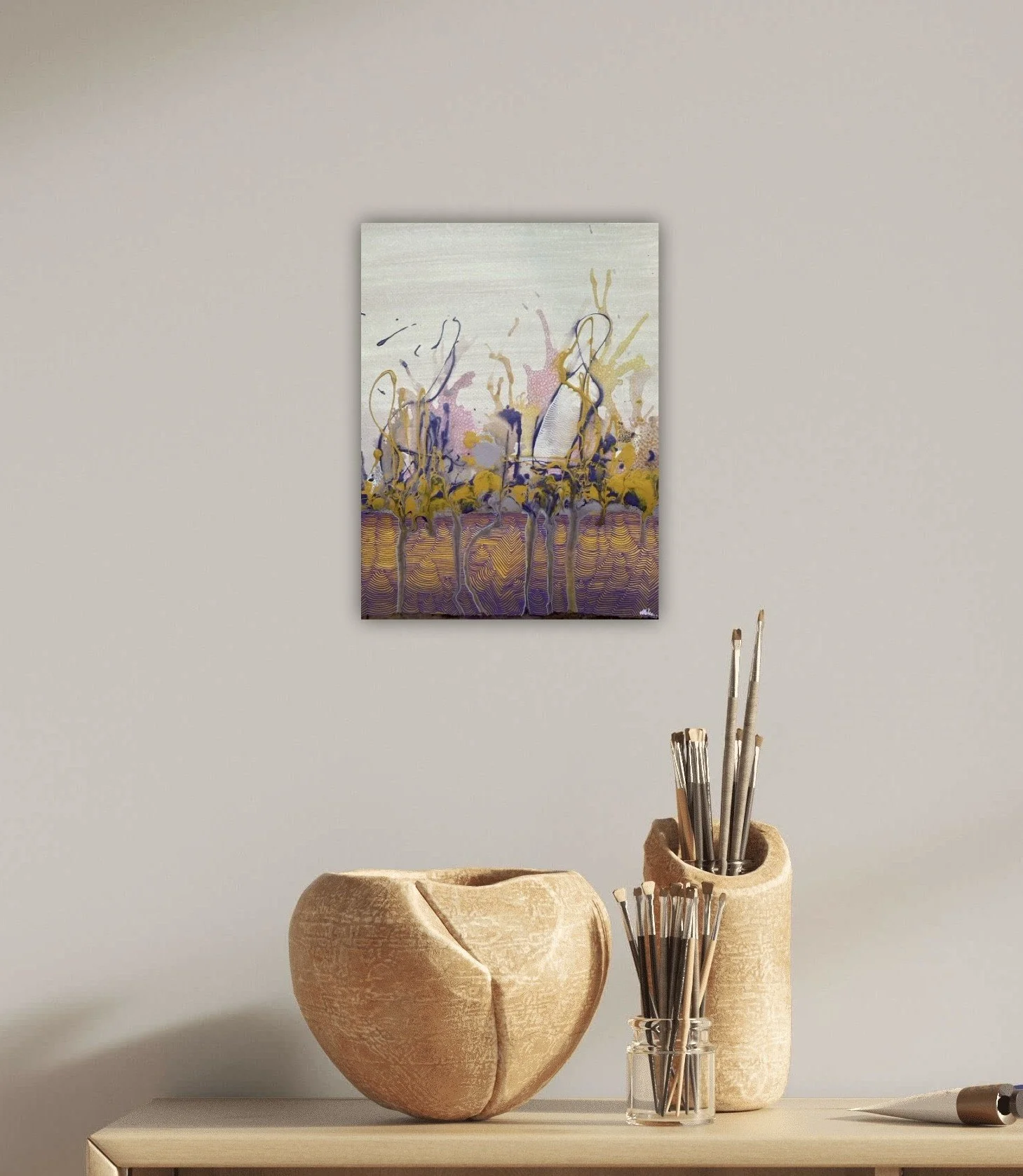
Painting “Man I Need”: Translating Olivia Dean into Colour and Form
“‘Man I Need’ unfolds in my mind as waves of colour and movement, each note and lyric shaping a visual landscape. Through synaesthesia, I paint the song as I feel it layered, emotional, and alive……and I’ll take you through how it became a painting soon…
-
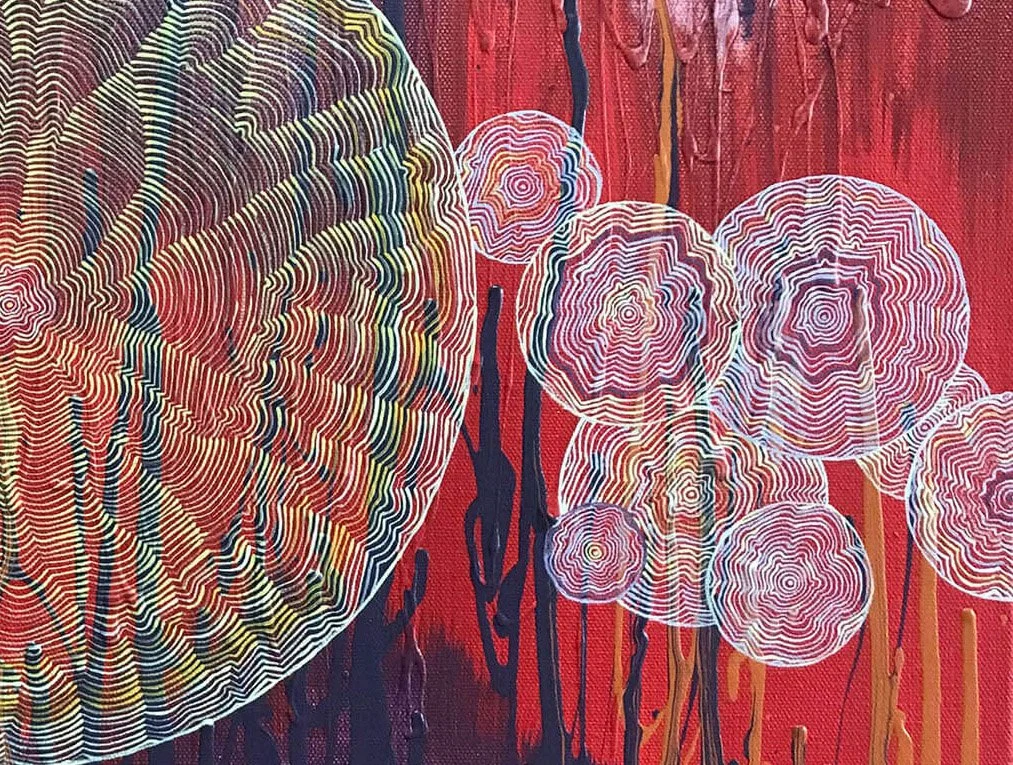
Celestial Colour Fields: A Synaesthetic Interpretation of Sound
Some sounds arrive like planets, layered, orbiting, radiating and my synaesthesia turns them into entire worlds of colour…
-
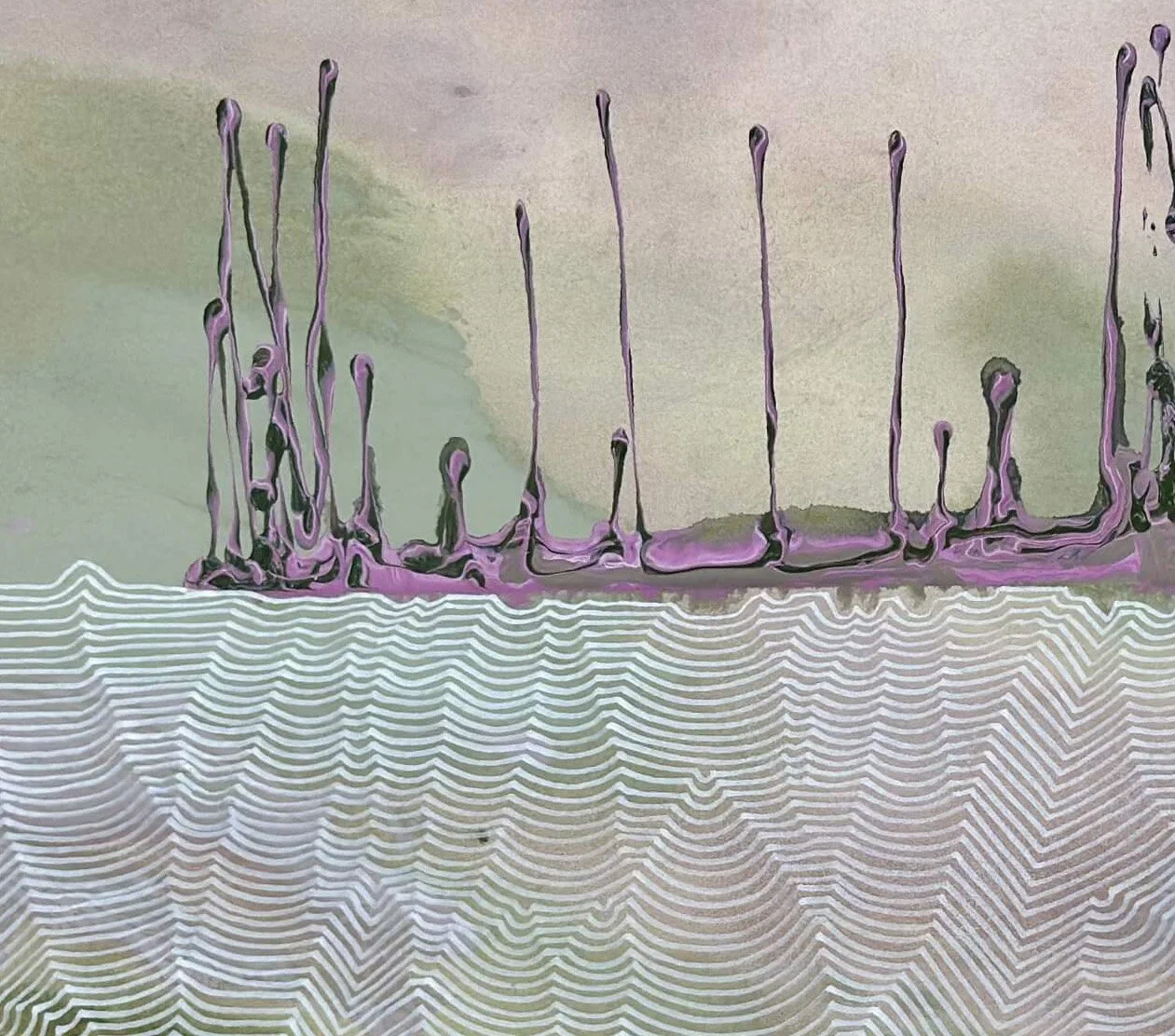
The Colours of Connection: A Synaesthetic Response to “Birds of a Feather”
The song felt like closeness, a shared breath, a soft glow, and those sensations became the shapes and patterns that formed this painting.
-
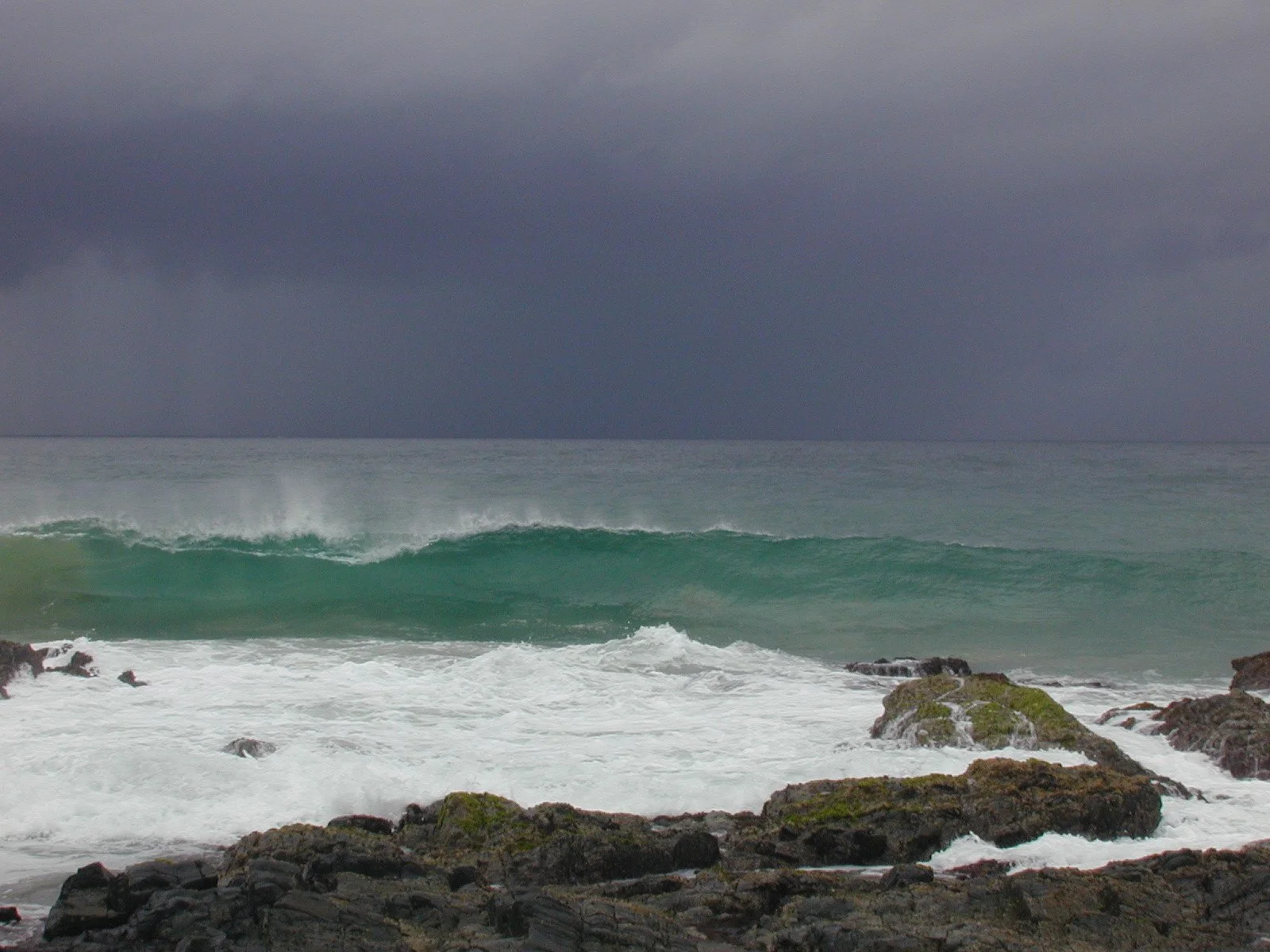
When the Ocean Starts to Sing
The sea doesn’t appear to me as only water, it arrives as shifting purple, tumeric and blues, deep rhythms, and the slow pulse of colour moving like breath…
-
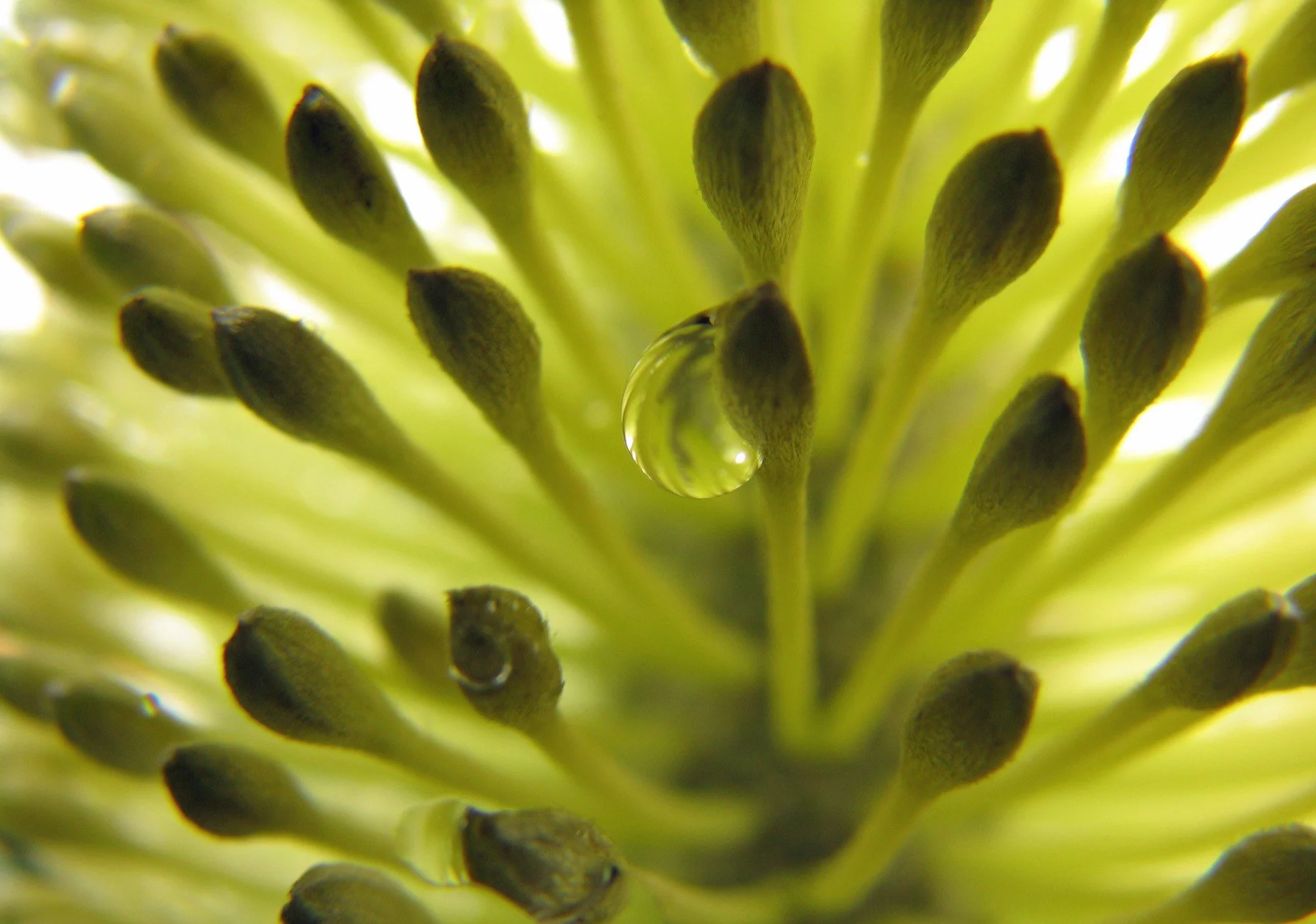
Synaesthesia and the Sounds of the Human Body
The body has its own soundtrack, breath, heartbeat, tension, release and in my synaesthetic world, each one becomes a shifting palette of colour.
-
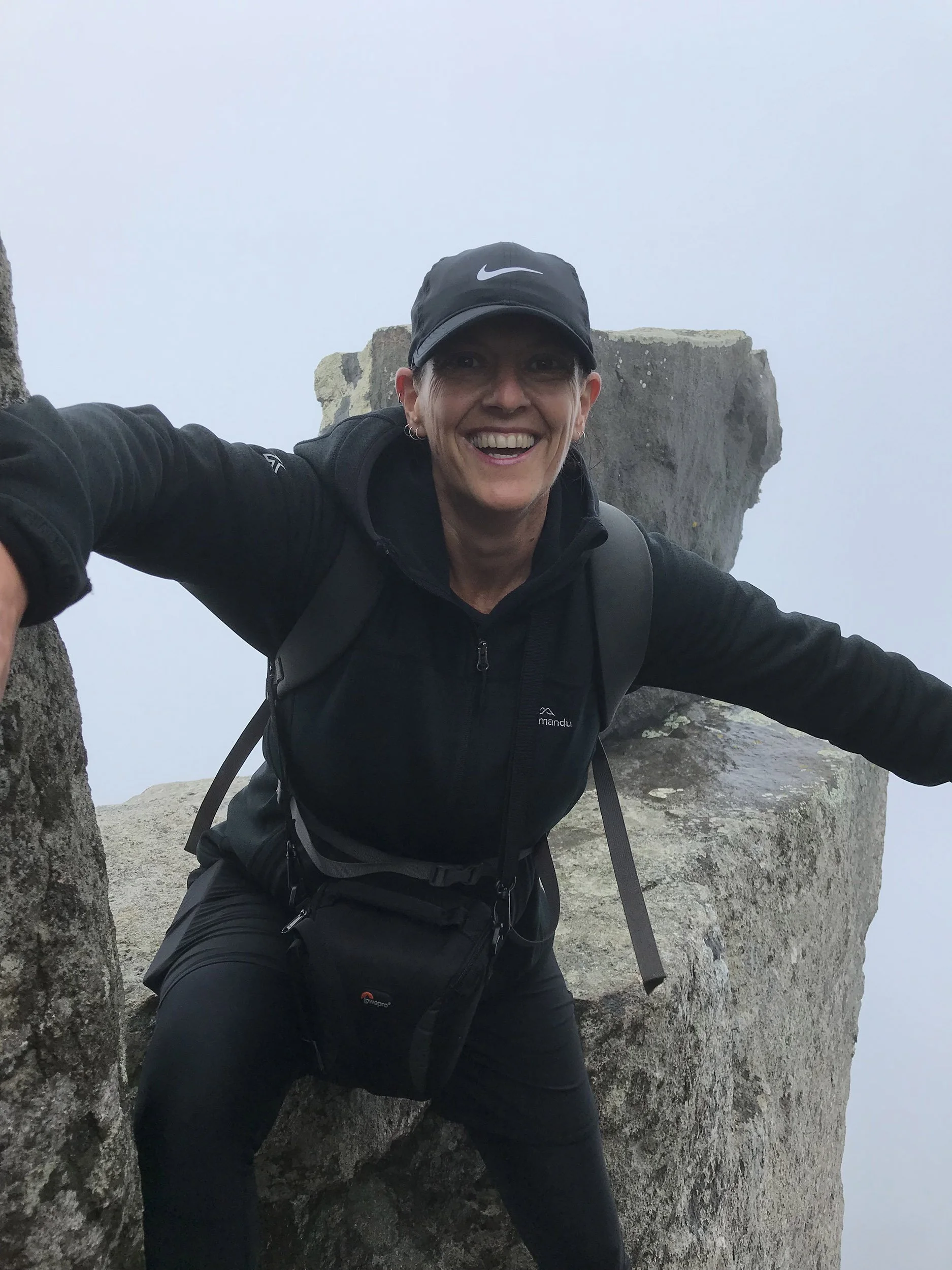
When Wind Becomes Colour: A Synaesthetic Study
In my synaesthetic world, the wind has a voice ,a rising hum that unfolds into layered tones and drifting shapes on the canvas…
-
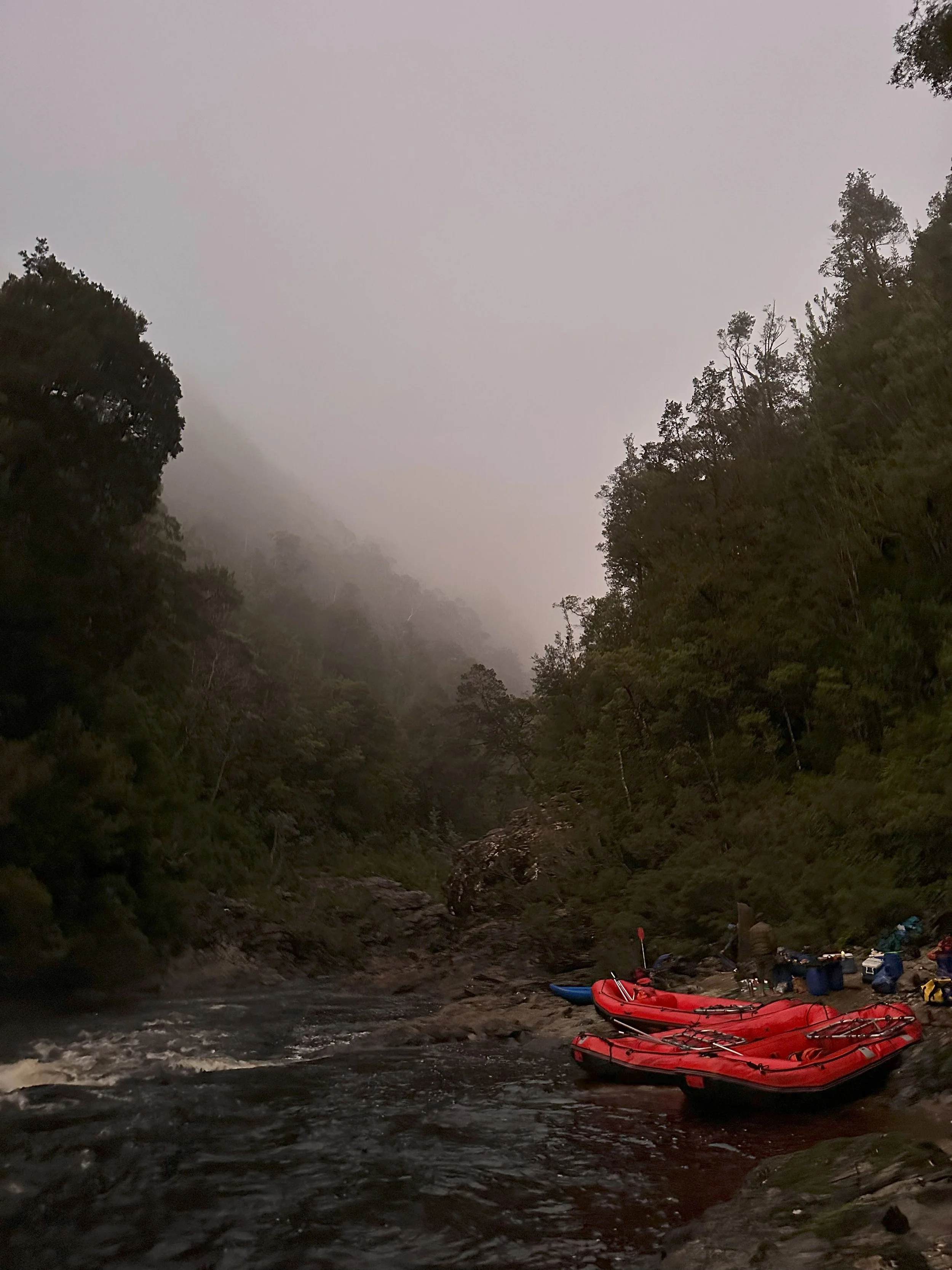
When Nature Starts Speaking in Colour
Sometimes a sound hits me so strangely it feels like the atmosphere glitches, the wind bends, the colours warp, and for a moment I’m convinced I’m listening to a world that isn’t quite ours…