What music looks like as art
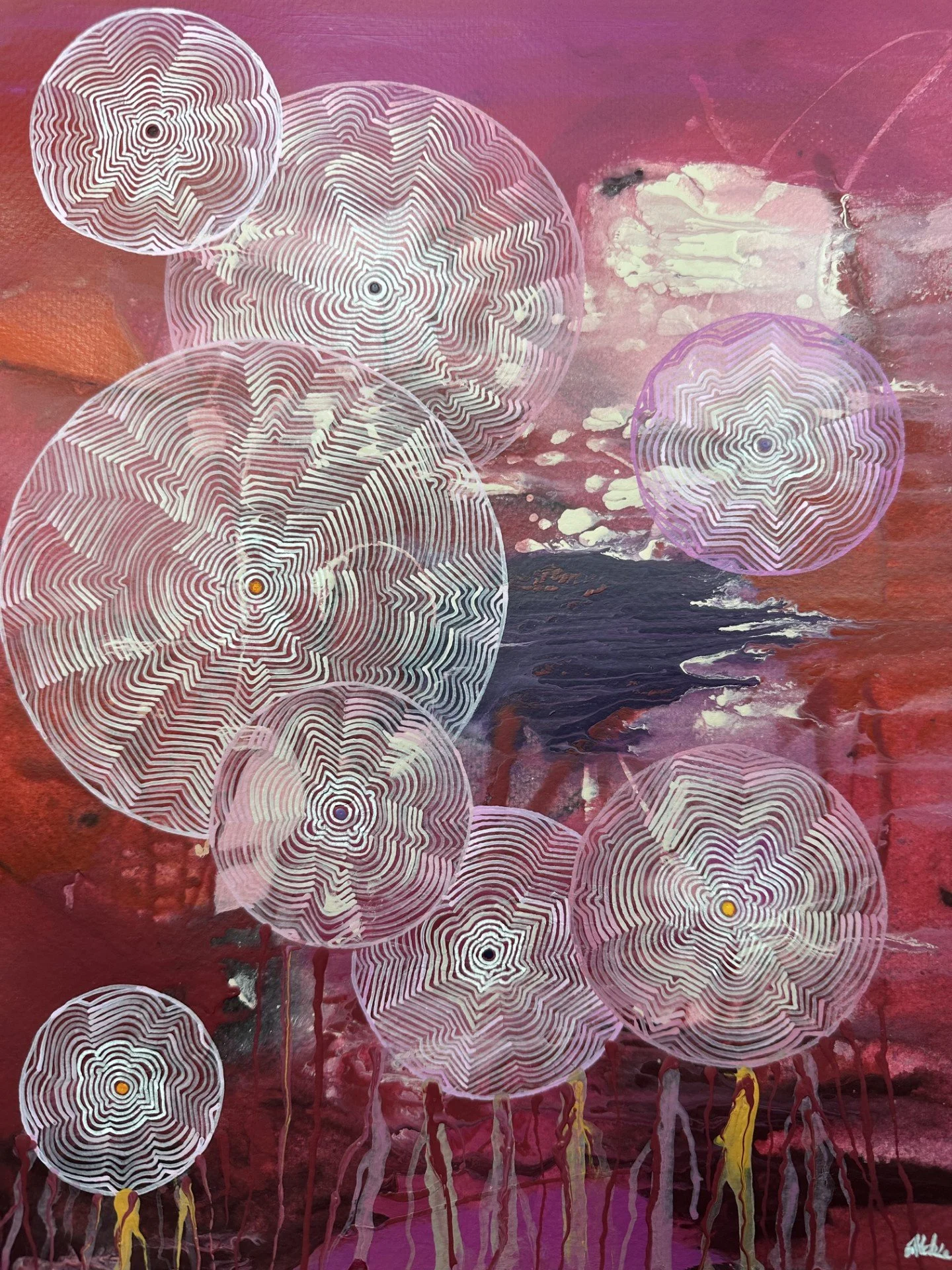
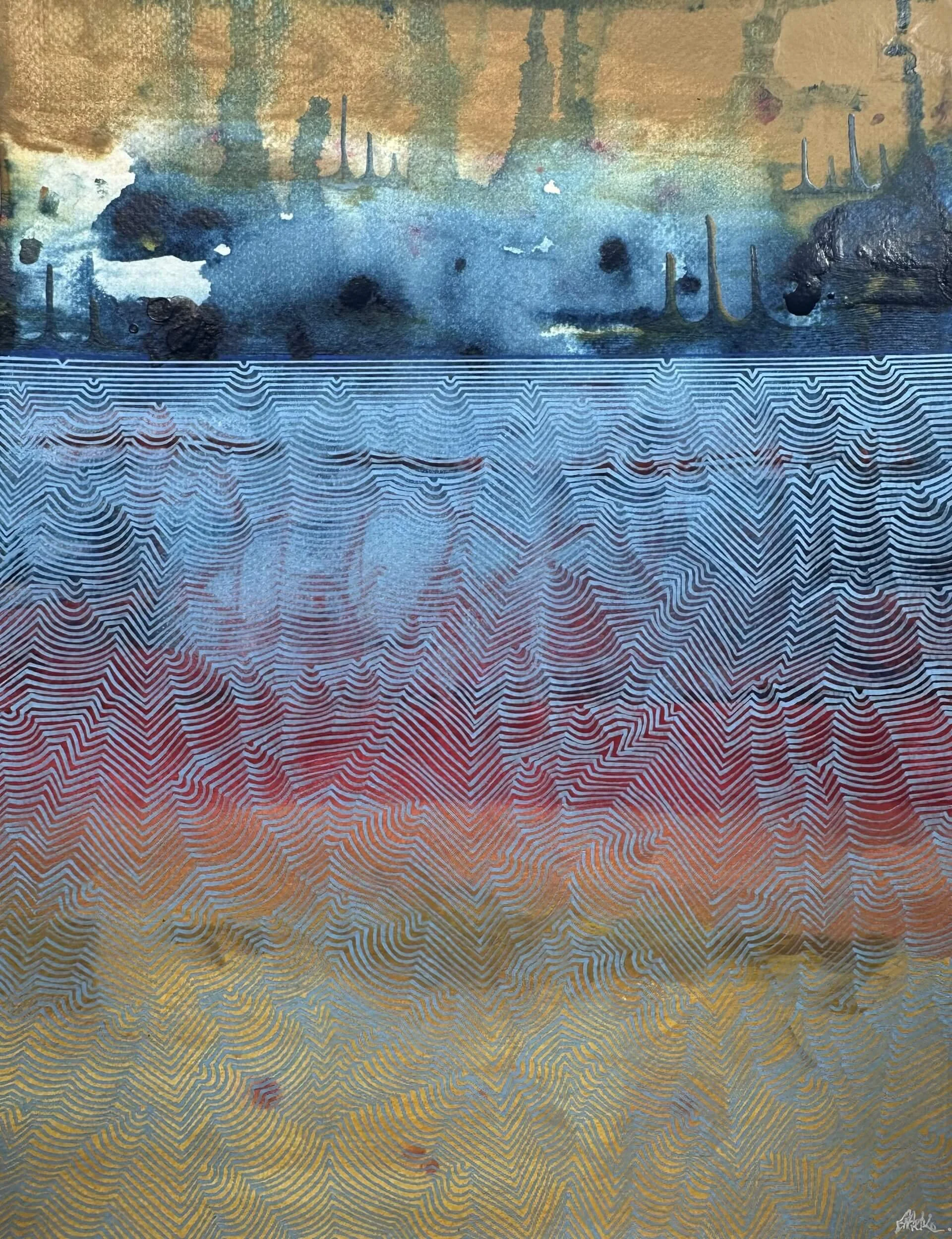
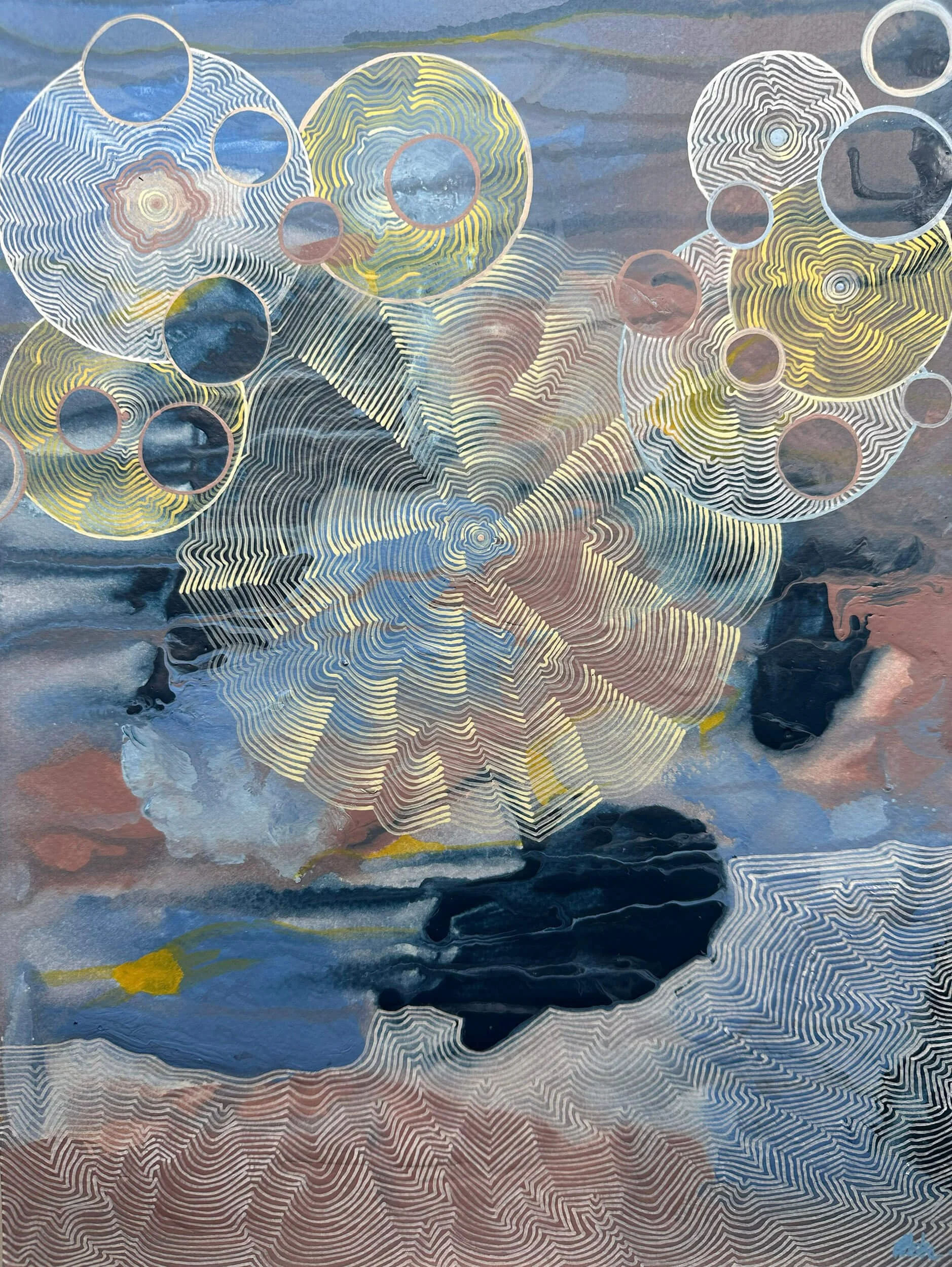
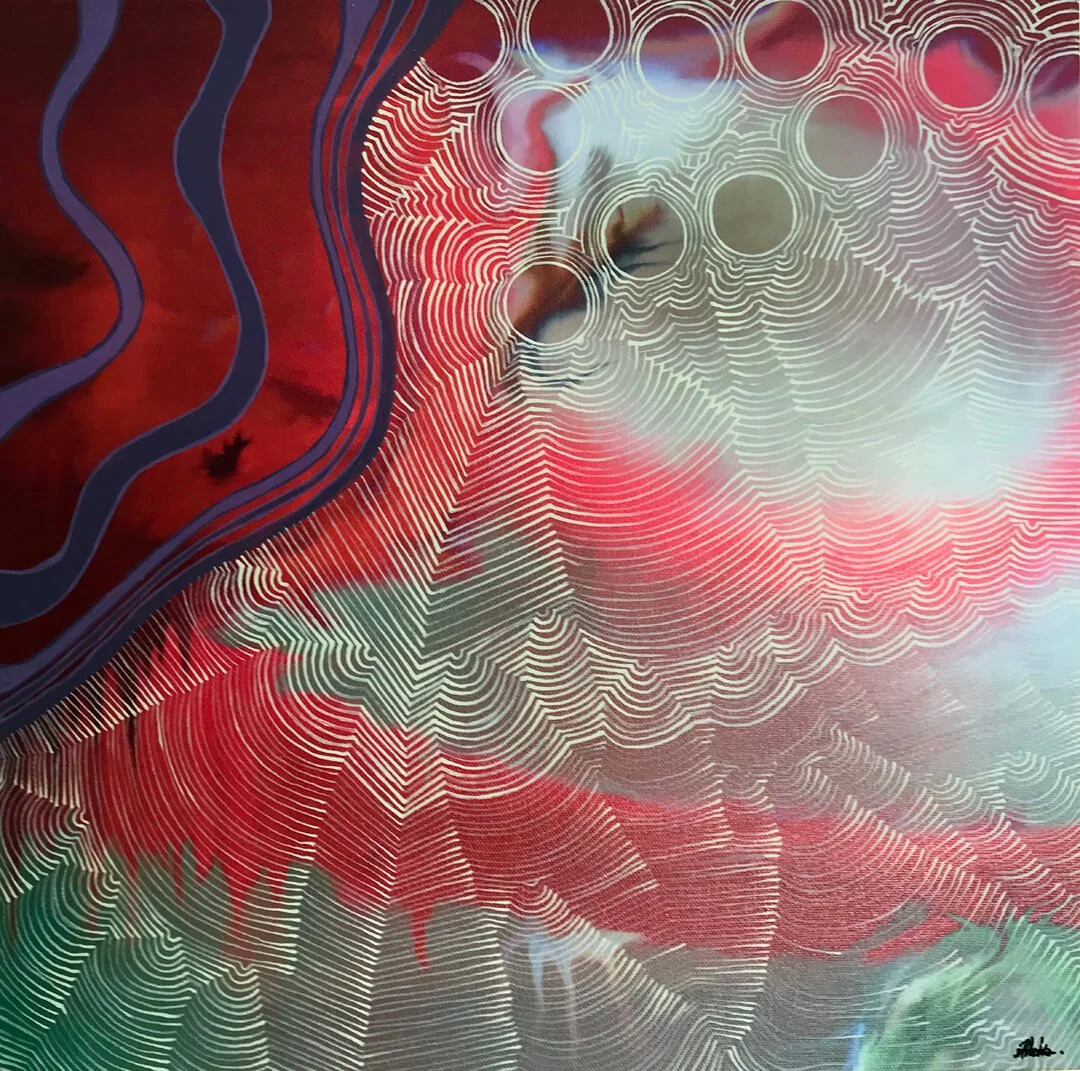
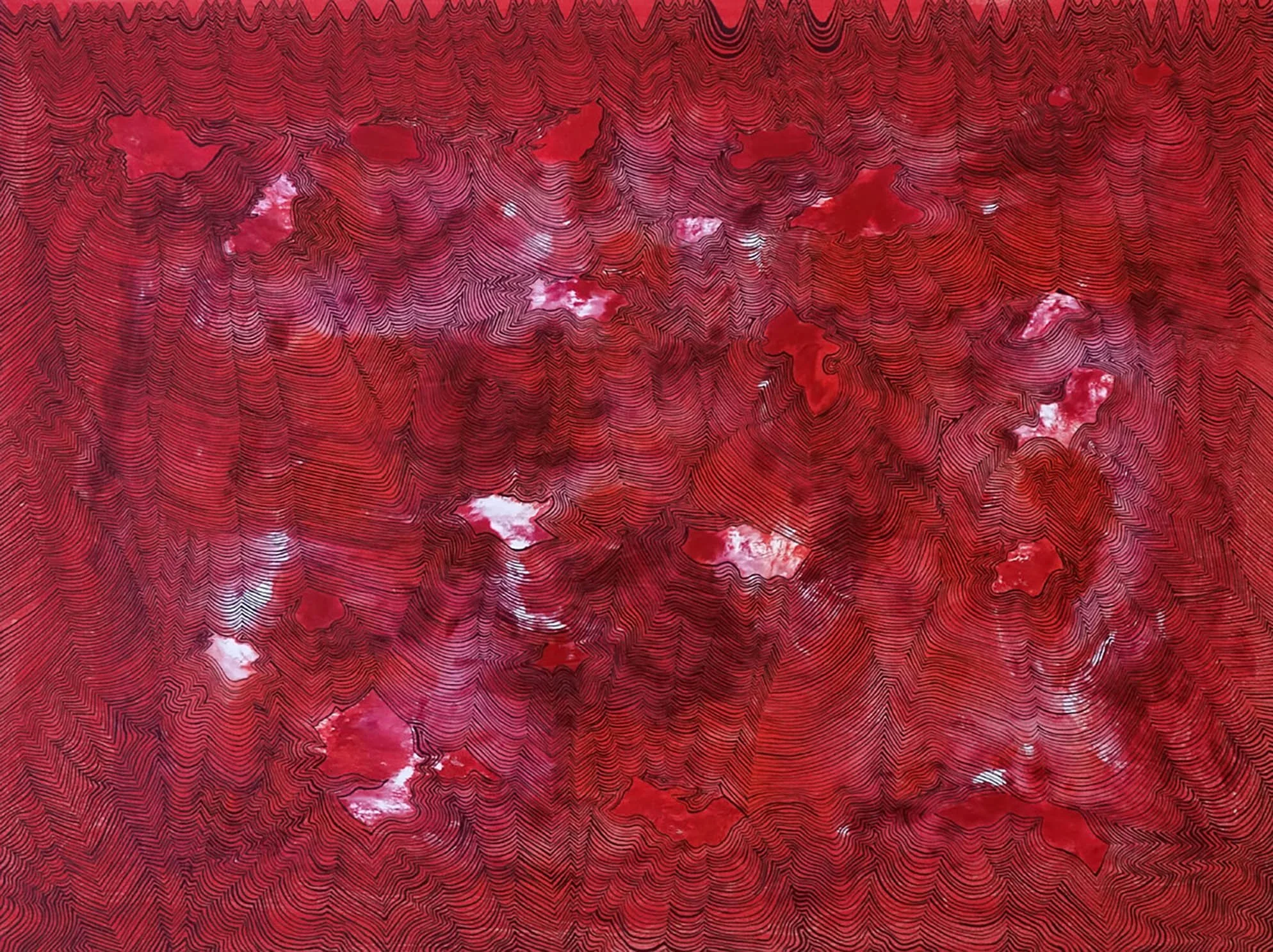
These works explore how music can be seen as well as heard, inviting viewers to experience what sound looks like through painting.
How I Experience Synaesthesia
Synaesthesia is often described as a blending of the senses, but for me it feels more like a quiet dialogue- sound, colour, movement, and emotion speaking to one another in a language that is fluid, intuitive, and deeply personal. I don’t try to paint synaesthesia literally. Instead, I translate the way it shapes my perception of the world.
When I listen to music, I experience colour, texture, and movement as vividly as the sound itself. A single note might arrive as a soft wash of blue; a chord progression might ripple through me as layered golds or deep greens. Rhythm becomes motion. Emotion becomes atmosphere. These sensations form the foundation of my work.
Sound to Colour: The Music Behind the Artwork
Translating Sound Into Visual Form
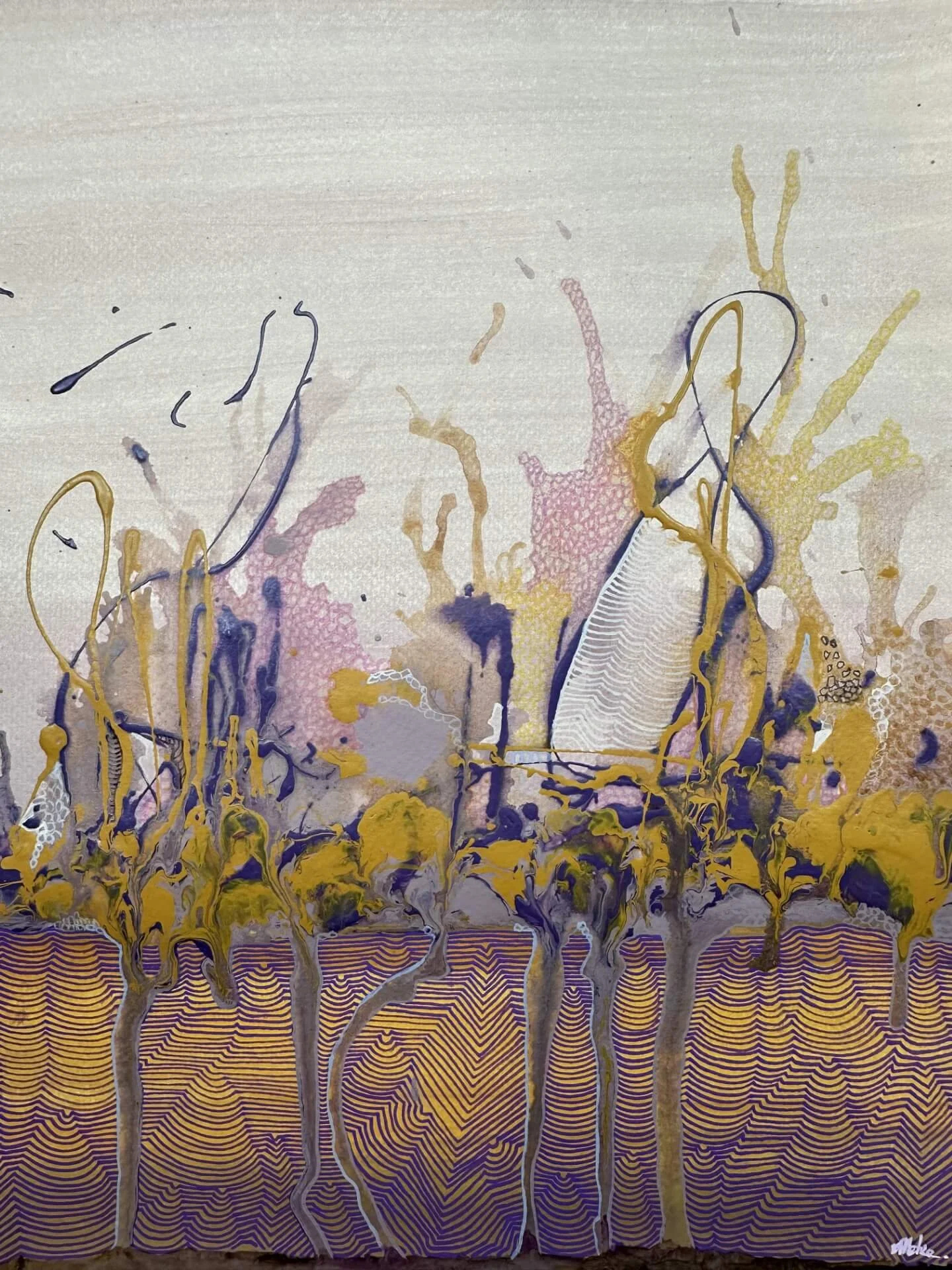
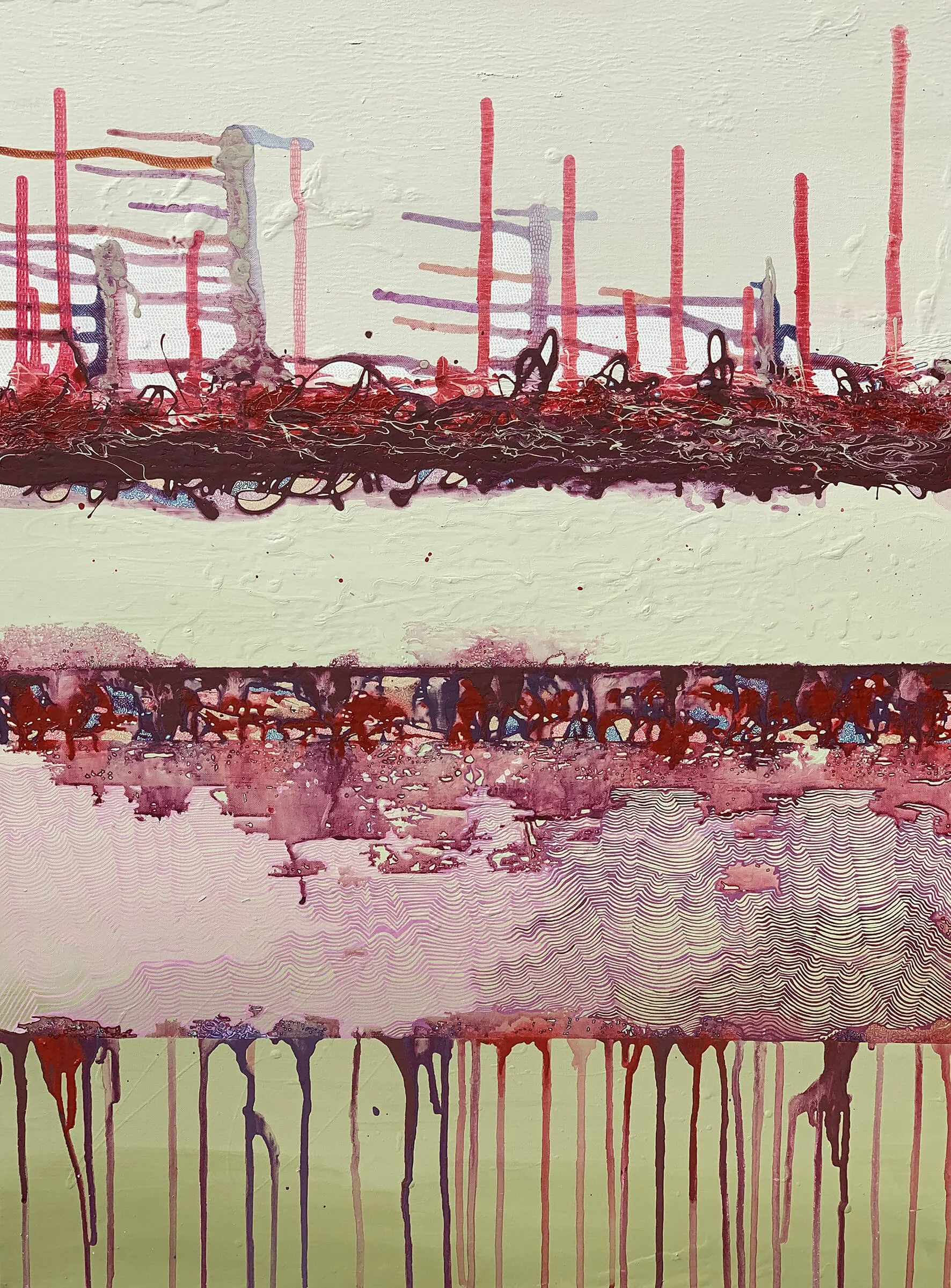
My paintings begin with listening; not just hearing the music, but letting it settle in my body and mind. As a synaesthetic artist, I experience sound as colour, texture, and movement, and I use this to paint music as visual form.
I pay attention to the textures that rise: smooth, sharp, shimmering, heavy. These impressions guide my palette and the way I build each composition, creating music-inspired abstract paintings that translate sound into colour.
I work in layers, allowing colour to accumulate the way sound does. Sweeping gestures, circular forms, fine linework, patterns, graded colour; each mark reflecting rhythm, tone, and intensity.
Each artwork becomes a sensory map: a visual interpretation of sound, emotion, and movement, capturing what music feels like beyond hearing.
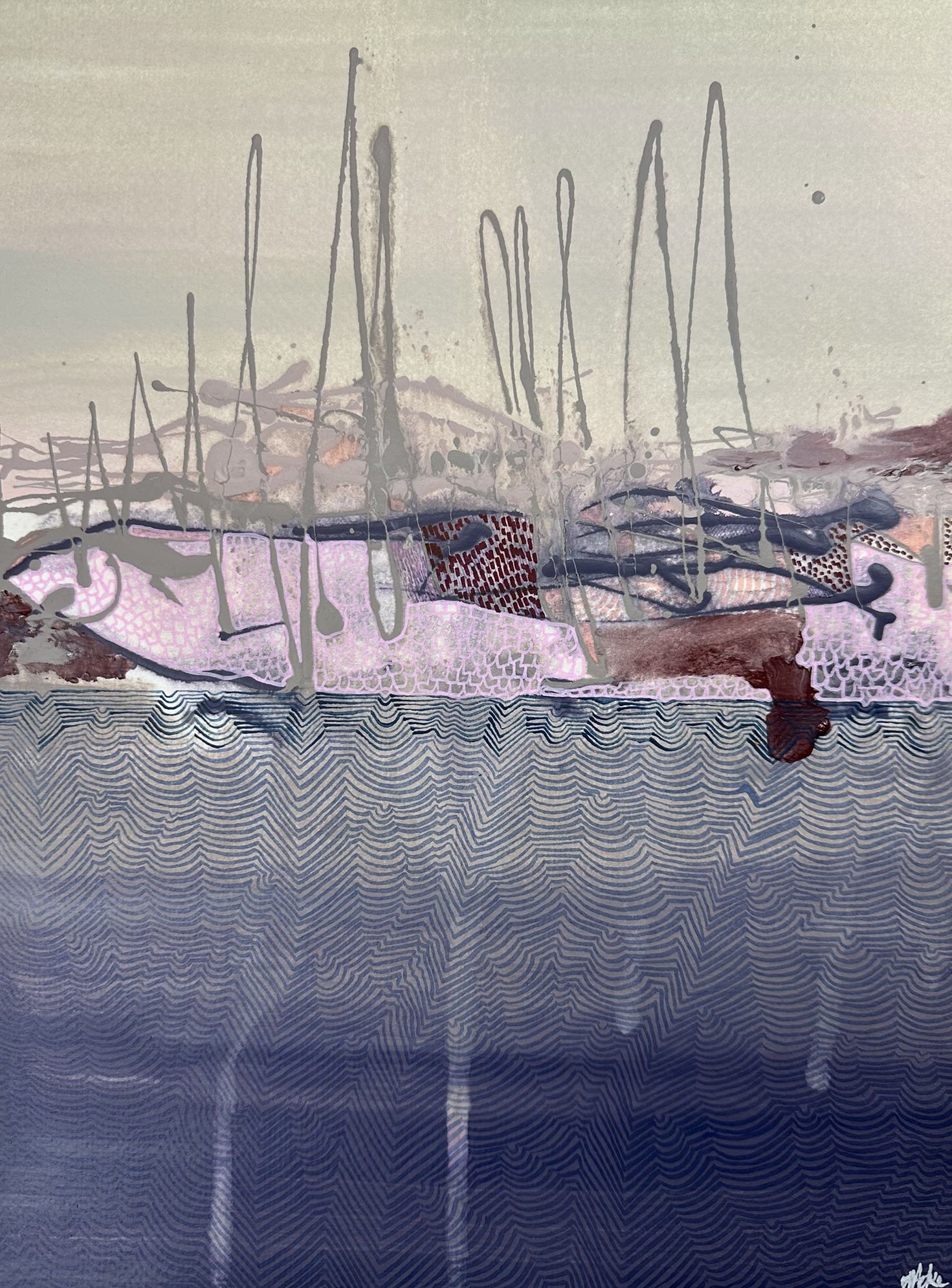
Colour, Movement & Atmosphere
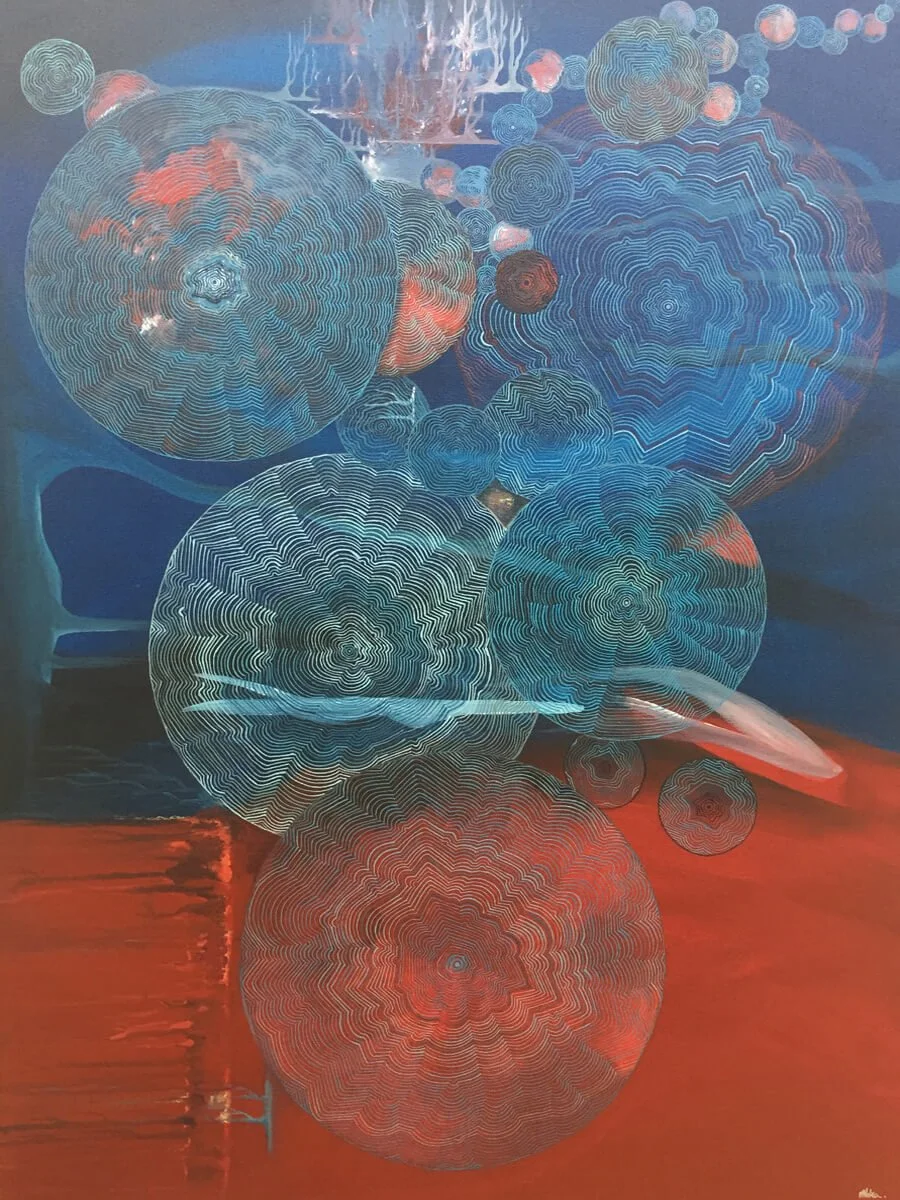
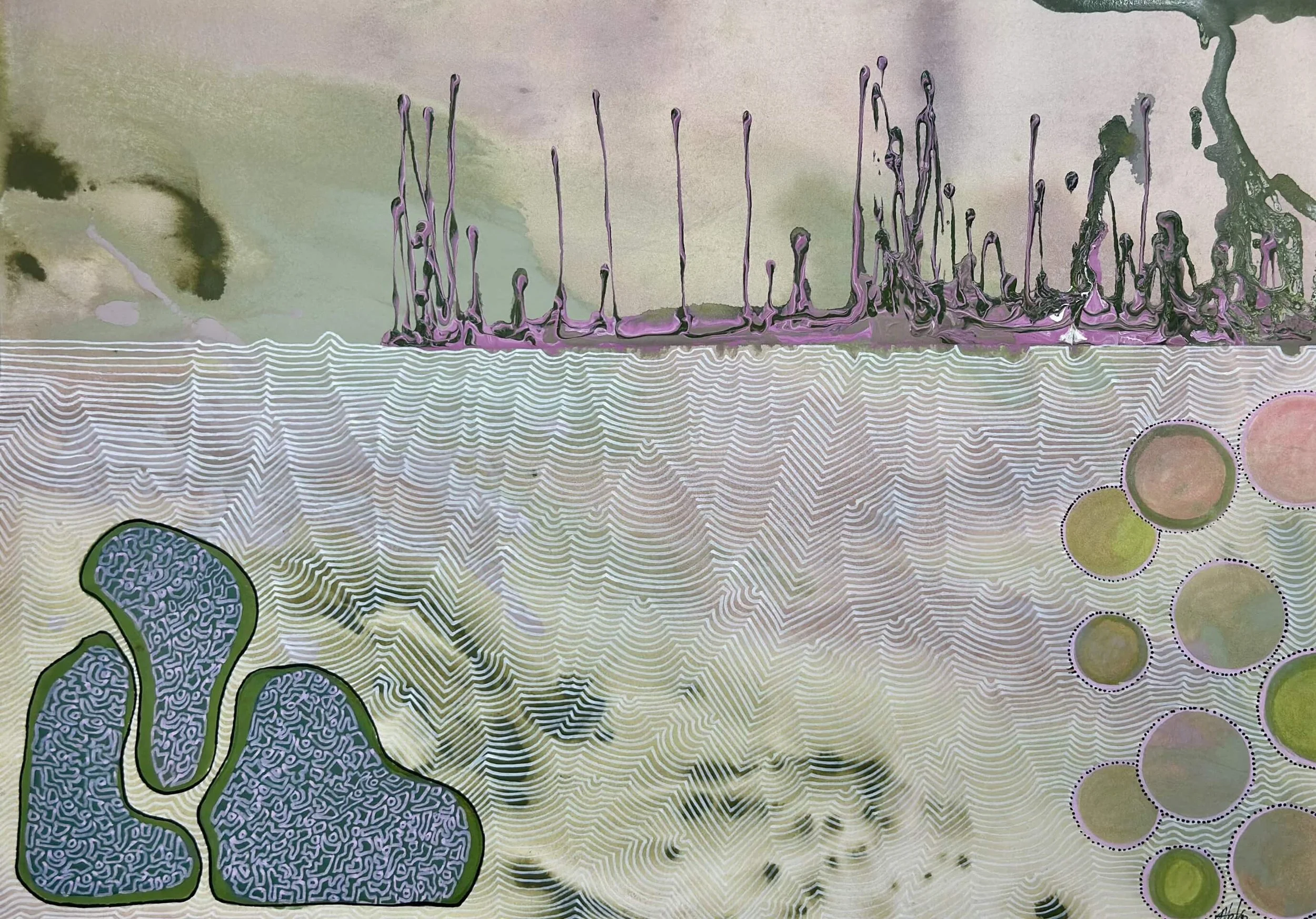
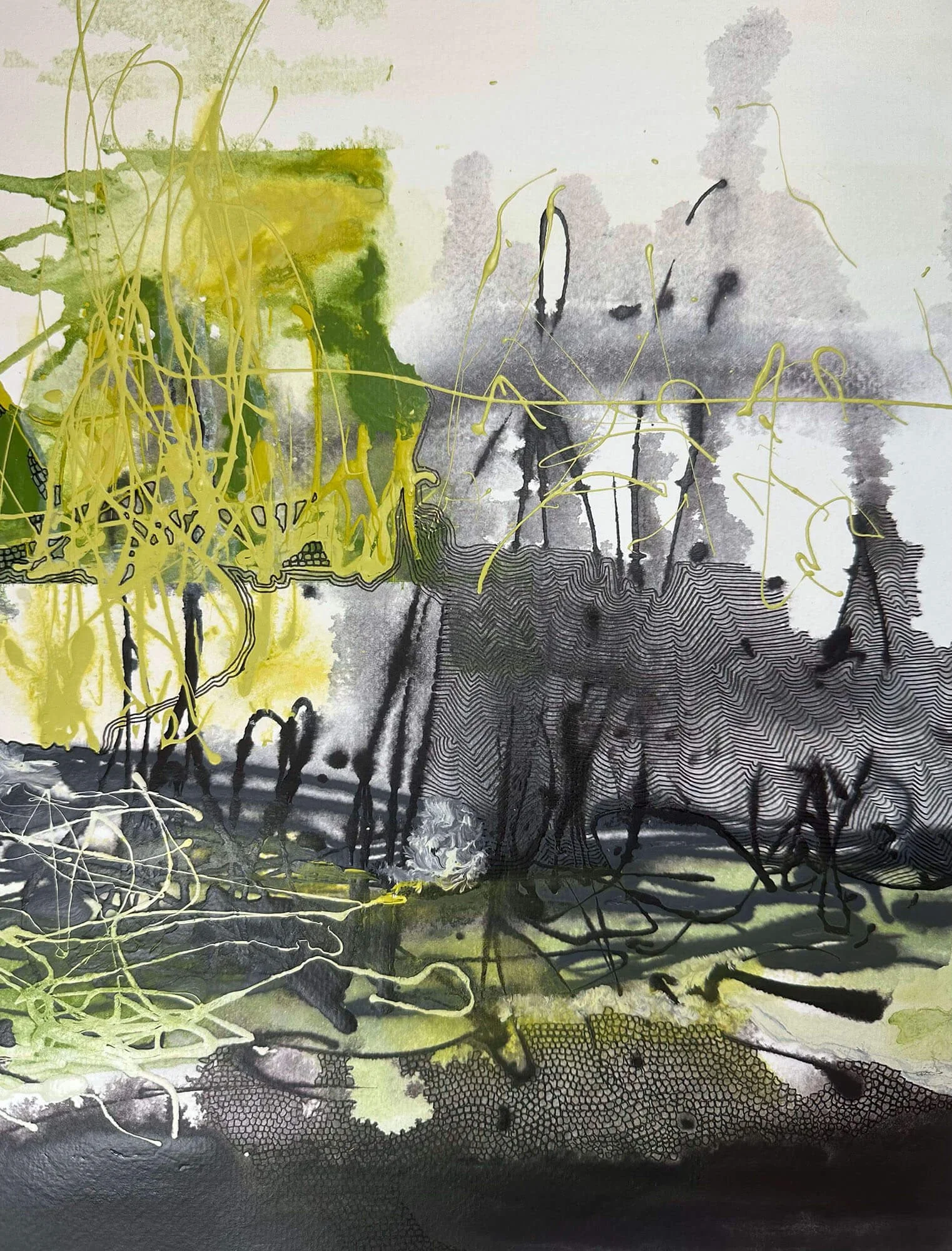
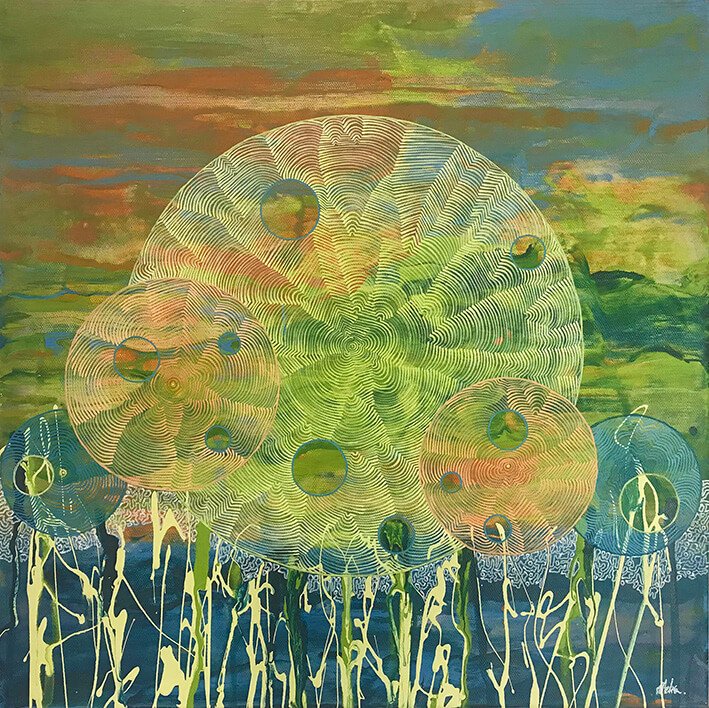
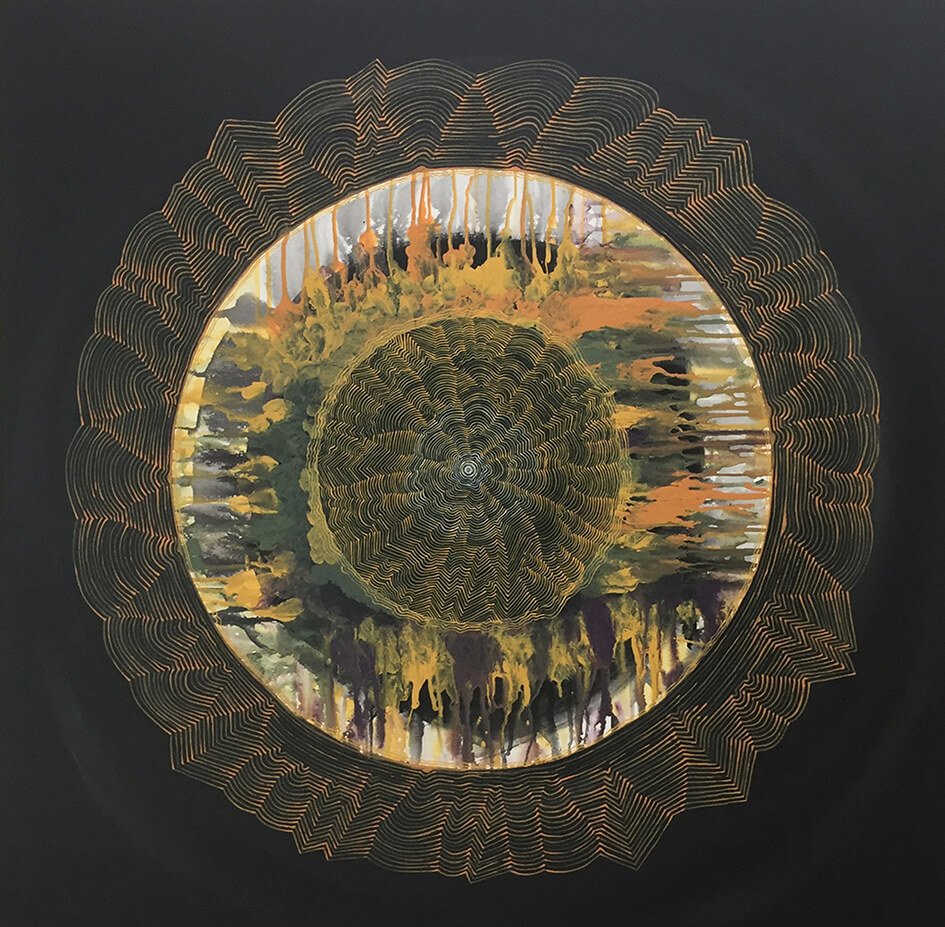
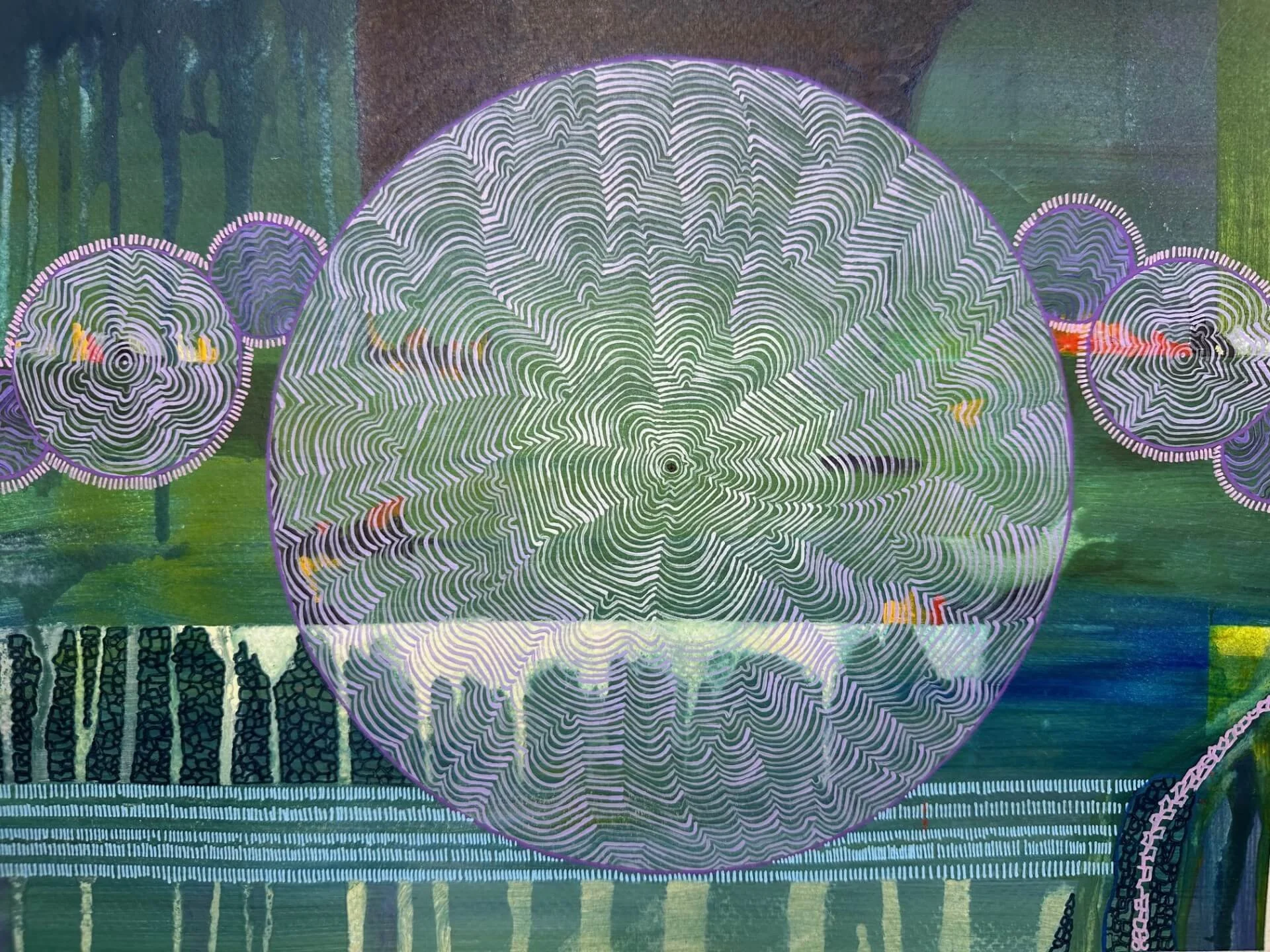
Colour is the most immediate expression of my synaesthetic experience. Certain sounds evoke specific hues with absolute clarity and visual impact, warm ochres, soft blues, luminous pinks, deep greens and abundant purple.. These colours don’t feel chosen; they feel revealed.
Movement is equally important. Sound rarely feels still to me. It expands, contracts, pulses, or drifts. In my paintings, this becomes layered motion, shifting forms, and atmospheric transitions.
Texture adds depth to the sensory experience. Some sounds feel smooth and fluid; others feel rough or fragmented. Through glazing, layering, and fine detail, I try to capture these nuances.
Why I Paint Through Synaesthesia
My synaesthesia is not a technique - it’s a way of experiencing the world. Painting allows me to give form to the unseen, to express the internal landscapes that shape how I move through sound and emotion and the world.
My hope is that viewers feel invited into that space. Not necessarily to experience synaesthesia themselves, but to connect with the emotional resonance behind the work - the movement, the atmosphere, the feeling.
Explore My Synaesthesia‑Inspired Artworks
View the Shop
Explore Original Paintings
Read more about My Process
Learn more About Me
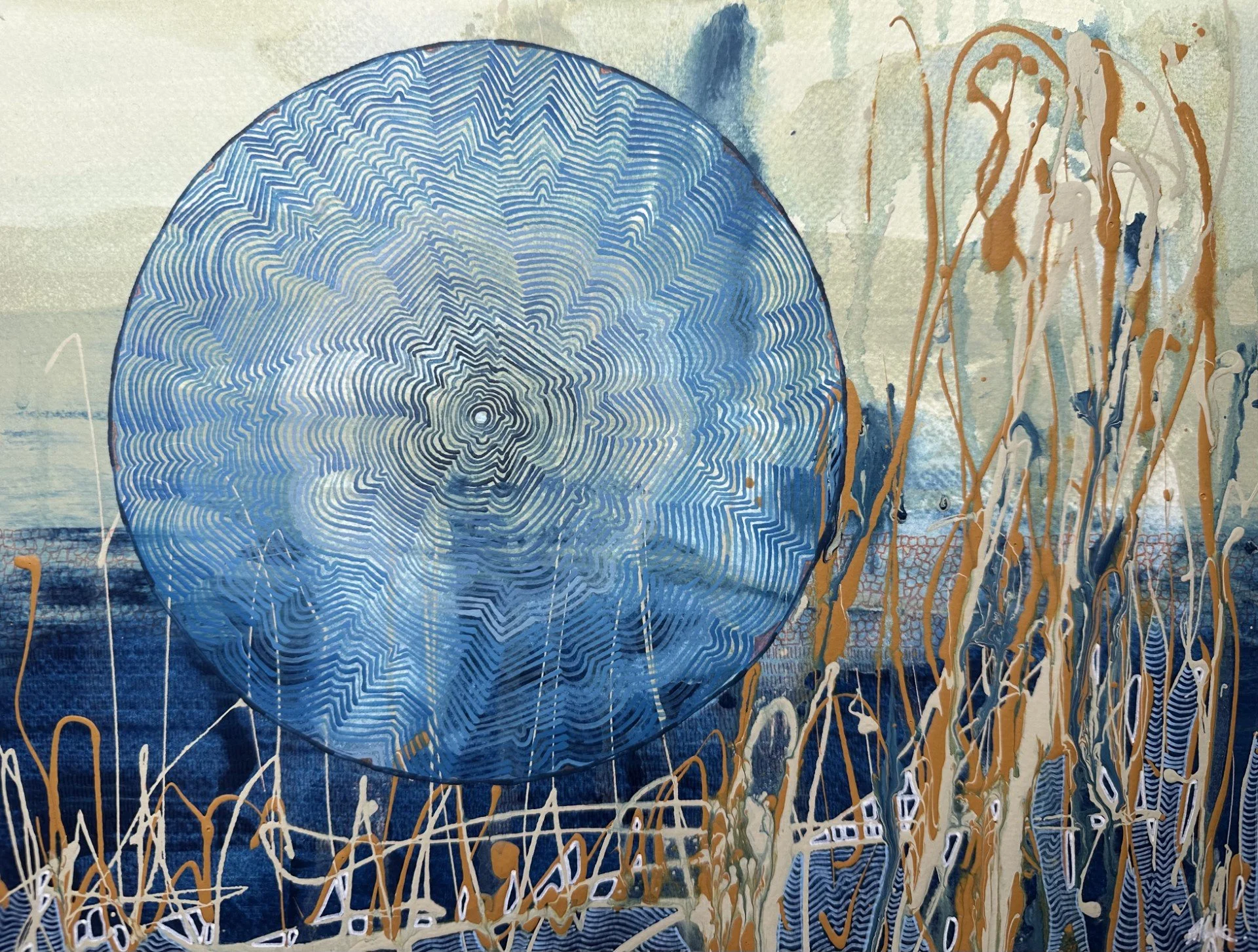
Each painting is a moment of sound made visible - a quiet crossing of senses, held in colour and light.